
29 Sep Type of Transmission
Whether you’re just starting your driving journey or brushing up before your driving test, understanding how a car’s transmission system works is essential. At any driving school in Manchester, instructors emphasize the importance of knowing the basics—not just for passing the test, but for becoming a confident, responsible driver.
A car’s transmission system is the unsung hero that keeps your engine and wheels working together smoothly. It affects everything from fuel efficiency to acceleration and overall driving experience. So, let’s dive into the different types of transmission systems and how they impact your learning and real-world driving.
1. Manual Transmission (MT) – The Classic Choice
Also known as a stick shift, manual transmission vehicles require the driver to change gears manually using a clutch pedal and gear stick. This system gives the driver full control over the vehicle’s power and performance.
While they may take more time to master, many driving schools in Manchester recommend learning in a manual car. Why? Because once you’ve learned manual, switching to automatic is a breeze—plus, it gives you a license to drive both types of vehicles.
2. Automatic Transmission (AT) – Simplicity at Its Best
An automatic transmission does all the gear shifting for you. This system uses a torque converter instead of a clutch, making it easier for learners to focus on steering, braking, and road awareness.
If you’re learning to drive in a busy city like Manchester, automatic cars can help reduce stress during traffic-heavy commutes. They’re perfect for drivers who prefer convenience and simplicity over mechanical engagement.
3. Continuously Variable Transmission (CVT) – Smooth and Efficient
A CVT is a type of automatic transmission that doesn’t use gears in the traditional sense. Instead, it uses a system of pulleys and belts to provide a seamless range of gear ratios.
CVTs are commonly found in fuel-efficient vehicles and hybrids. They offer incredibly smooth acceleration and improved fuel economy, making them ideal for learners looking for an eco-friendly option.
4. Dual-Clutch Transmission (DCT) – For Performance and Speed
DCTs use two clutches instead of one, allowing for quicker and smoother gear changes. This system is a favorite in sports and performance cars due to its lightning-fast response times.
While DCTs operate similarly to automatics, they provide the performance of manual gearboxes. Learners may not encounter this in standard lessons at a driving school in Manchester, but it’s great to know if you ever dream of driving high-performance vehicles.
5. Semi-Automatic Transmission – A Hybrid of Control and Comfort
Semi-automatic transmissions combine features of both manual and automatic systems. They allow manual gear shifting without a clutch pedal, often through paddle shifters or electronic controls.
These systems are popular in modern city cars and even some racing vehicles. They give learners a taste of manual shifting without the added complexity of using a clutch.
6. Tiptronic Transmission – Manual Control Without the Clutch
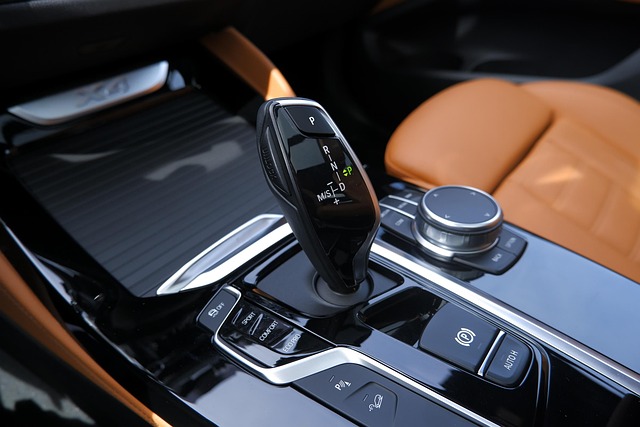
A Tiptronic transmission is a type of automatic gearbox that lets you override the automatic mode and change gears manually using a gear lever or paddle shifters.
Common in many German cars like Audi, BMW, and Volkswagen, Tiptronic systems offer drivers the best of both worlds. While not standard in most training cars at a driving school in Manchester, understanding this system will help you adapt quickly if you drive such vehicles later.
7. Electric Vehicle (EV) Transmission – A Different Ballgame
EVs typically don’t have multi-speed transmissions. Instead, they use a single-speed transmission system that delivers consistent torque directly to the wheels.
As electric vehicles gain popularity in Manchester and beyond, driving schools in Manchester are beginning to introduce them into their fleets. These vehicles are easier to drive and perfect for learners who want a glimpse into the future of driving.
8. How Transmission Type Affects Learning
The type of transmission you learn on can significantly affect your confidence and flexibility as a driver. Manual learners often develop a deeper understanding of vehicle mechanics and gain better control over the car.
However, automatic learners often become road-ready faster, which is especially helpful for nervous drivers. At any reputable driving school in Manchester, you can choose the transmission that fits your learning style and long-term driving goals.
9. Choosing the Right Transmission for Your Driving Lessons
Not sure which transmission to choose for your lessons? Here are some tips:
- Go manual if you want more control, flexibility in license options, or plan to drive various types of cars.
- Go automatic if you want a faster, simpler learning process or expect to drive mainly in urban areas.
Speak to your instructor at a driving school in Manchester to discuss your goals and comfort level. Many schools offer both options with skilled instructors to guide you.
Conclusion: The Gear You Choose Shapes the Driver You Become
Understanding the different types of transmission systems is more than just a technical requirement—it’s a foundational part of becoming a safe and confident driver. Whether you go manual, automatic, or even electric, each system offers unique benefits and challenges.
No Comments